




 Call Us Now


Replace or have an outlet checked when plugs fall out, the faceplate is cracked, the outlet is warm, there are burn marks, you hear buzzing, or the breaker trips when that outlet is used.

Touchstone Electric Blogs
Gastonia Outlet Replacement Tips
Learn when Gastonia homeowners should replace outlets, when GFCI or AFCI protection matters, and when to call an electrician.
Expert Insight
From licensed electricians
Code Compliant
Built to safety standards
Licensed & Insured
NC & SC certified
5-Star Reviews
Trusted by homeowners
What To Watch For
An Outlet Can Work And Still Be Unsafe
Outlets power the small routines of a Gastonia home, from phone chargers to kitchen appliances. When a receptacle is cracked, loose, warm, discolored, buzzing, or sparking, the issue is no longer cosmetic. It can point to worn contacts, damaged wiring, a loose termination, or a circuit carrying more than it should. If you are seeing those signs, start with electrical troubleshooting and repair.
- Loose plugs that fall out or shift while in use
- Burn marks, discoloration, buzzing, sparks, or heat
- Two-prong outlets where grounded devices are being used
- Frequent breaker trips when appliances use the same circuit
Replacing the device is only part of the job. The wiring and protection behind it need to match the room, the circuit, and the way your family uses the outlet.
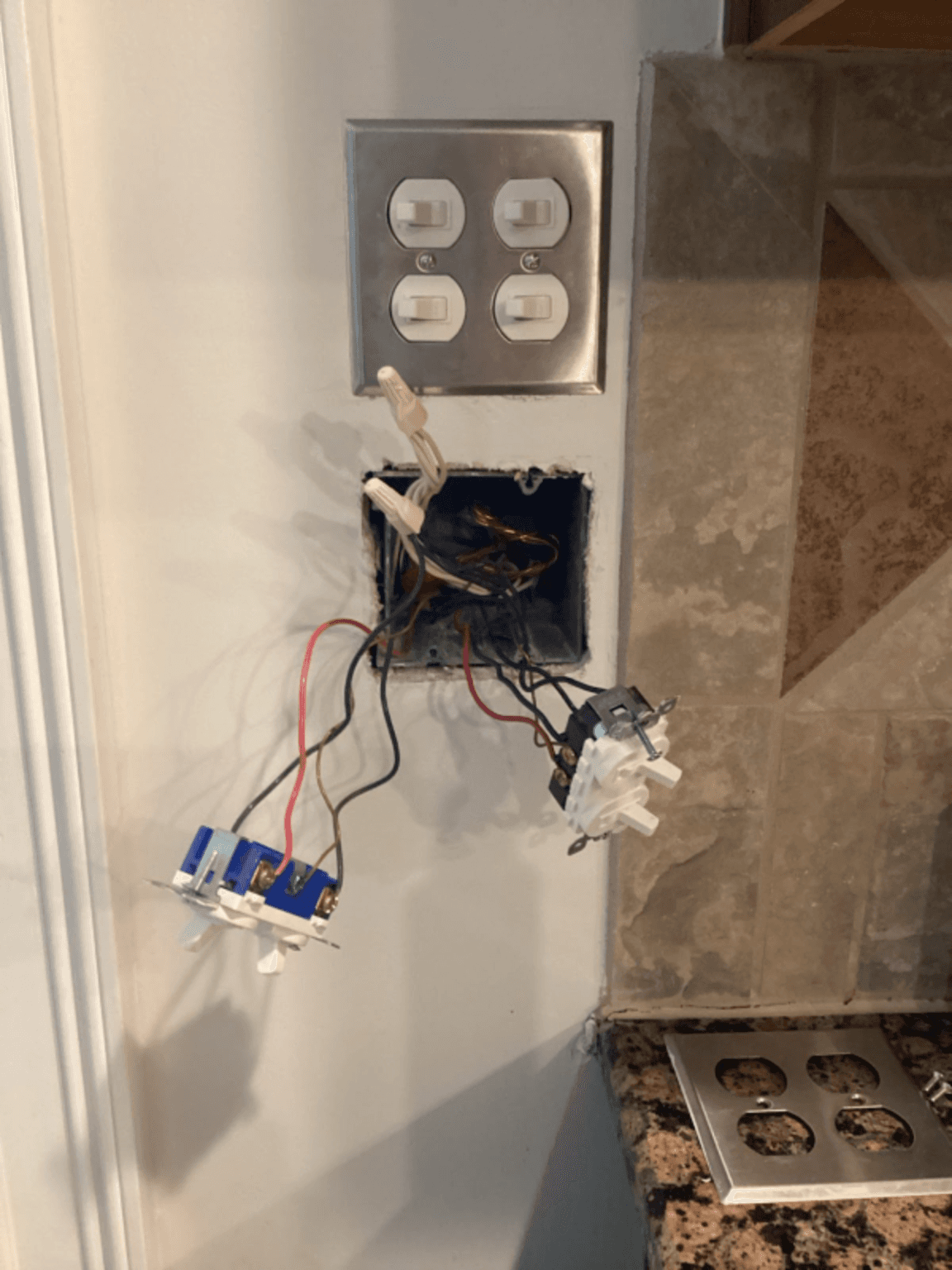
Heat at an outlet is a stop sign
A warm outlet, scorched faceplate, or buzzing sound can mean a loose connection is making heat behind the wall. Turn off that circuit if you can do it safely and call an electrician before using the outlet again.
GFCI outlets for wet or damp locations
AFCI protection where arcing risk matters
Wiring condition checked before the device is replaced
Outlet Upgrade Choices
The Right Outlet Depends On The Room
A bedroom outlet, garage outlet, kitchen counter outlet, and outdoor outlet do not all need the same protection. The safer choice depends on moisture, arcing risk, grounding, appliance load, and who uses the room.
GFCI protection under NEC 210.8 matters around kitchens, bathrooms, garages, outdoors, and other areas where moisture raises shock risk. A GFCI compares current leaving and returning, then shuts off quickly if current leaks through an unsafe path.
AFCI protection under NEC 210.12 watches for tiny sparking from damaged cords, pinched wiring, or loose connections. Tamper-resistant receptacles under NEC 406.12 help protect children by blocking foreign objects from entering the slots.
- Replace cracked, loose, scorched, buzzing, or warm outlets instead of continuing to use them.
- Do not swap a two-prong outlet for a three-prong outlet unless grounding or approved protection is handled correctly.
- Use GFCI protection where water and electricity can meet, including kitchens, bathrooms, garages, and exterior locations.
- Ask whether AFCI protection makes sense if outlets or circuits show signs of arcing, flicker, or unexplained breaker trips.
- Keep completed outlet work documented with your Lifetime Craftsmanship Warranty details.
Outlet replacement can look small from the room side, but the important work happens in the box. We check whether the conductors are damaged, whether the device is grounded correctly, whether the circuit is protected for that room, and whether the outlet is being asked to support appliances it was never meant to carry.
Gastonia homeowners can review local service details on our Gastonia electrician page. If several outlets are failing or older wiring is involved, compare the next steps through electrical repairs and panel upgrades before replacing devices one by one.
Have an outlet that feels wrong?
Tell us what the outlet is doing and where it is located. We will check the device, wiring, grounding, and protection before recommending replacement.