




 Call Us Now


A home Level 2 charger gives you predictable overnight charging, less dependence on public stations, and a setup planned around your actual parking location and driving routine.
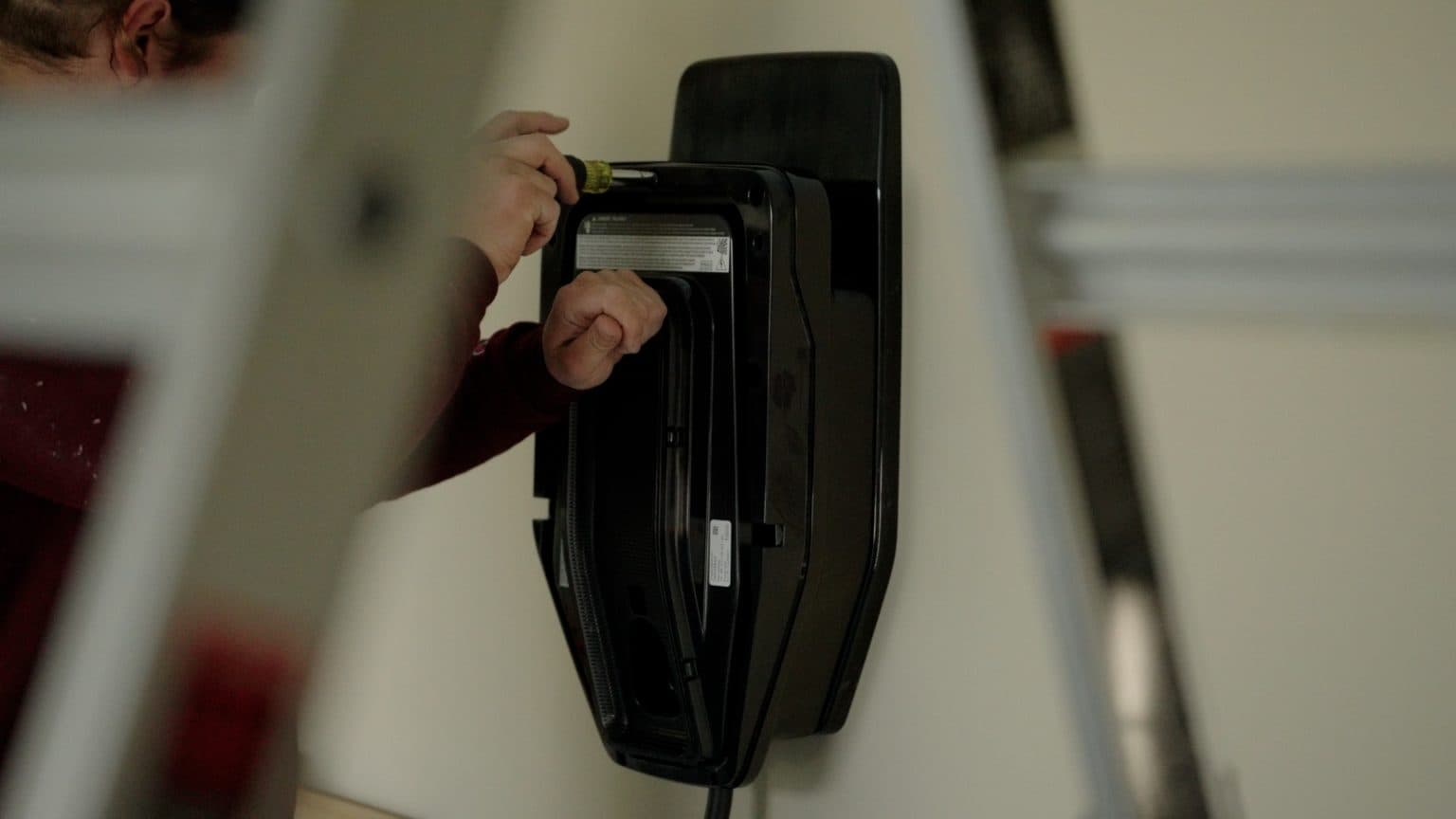

EV CHARGER GUIDE
Matthews EV Charger Guide
A practical Matthews homeowner guide to Level 2 EV charger installation, panel checks, cost factors, and home charging benefits.
Prompt Service
Fast, efficient solutions
Code Compliant
Built to safety standards
Licensed & Insured
NC & SC certified
5-Star Reviews
Trusted locally
Home Charging Planning
LEVEL 2 CHARGING AT HOME
A home EV charger gives Matthews, NC drivers a predictable place to charge overnight instead of planning every week around public stations. The right installation starts with your vehicle, charger, panel capacity, parking location, and the circuit path from the panel to the charger.
- Level 2 charging planned around daily driving habits
- Panel capacity checked before adding a 240V circuit
- Charger location chosen for garage, driveway, or carport use
- Cost factors explained before work begins
Touchstone Electric handles EV charging station installation for Matthews homeowners who want safe home charging without guessing at wire size, breaker capacity, or charger settings.
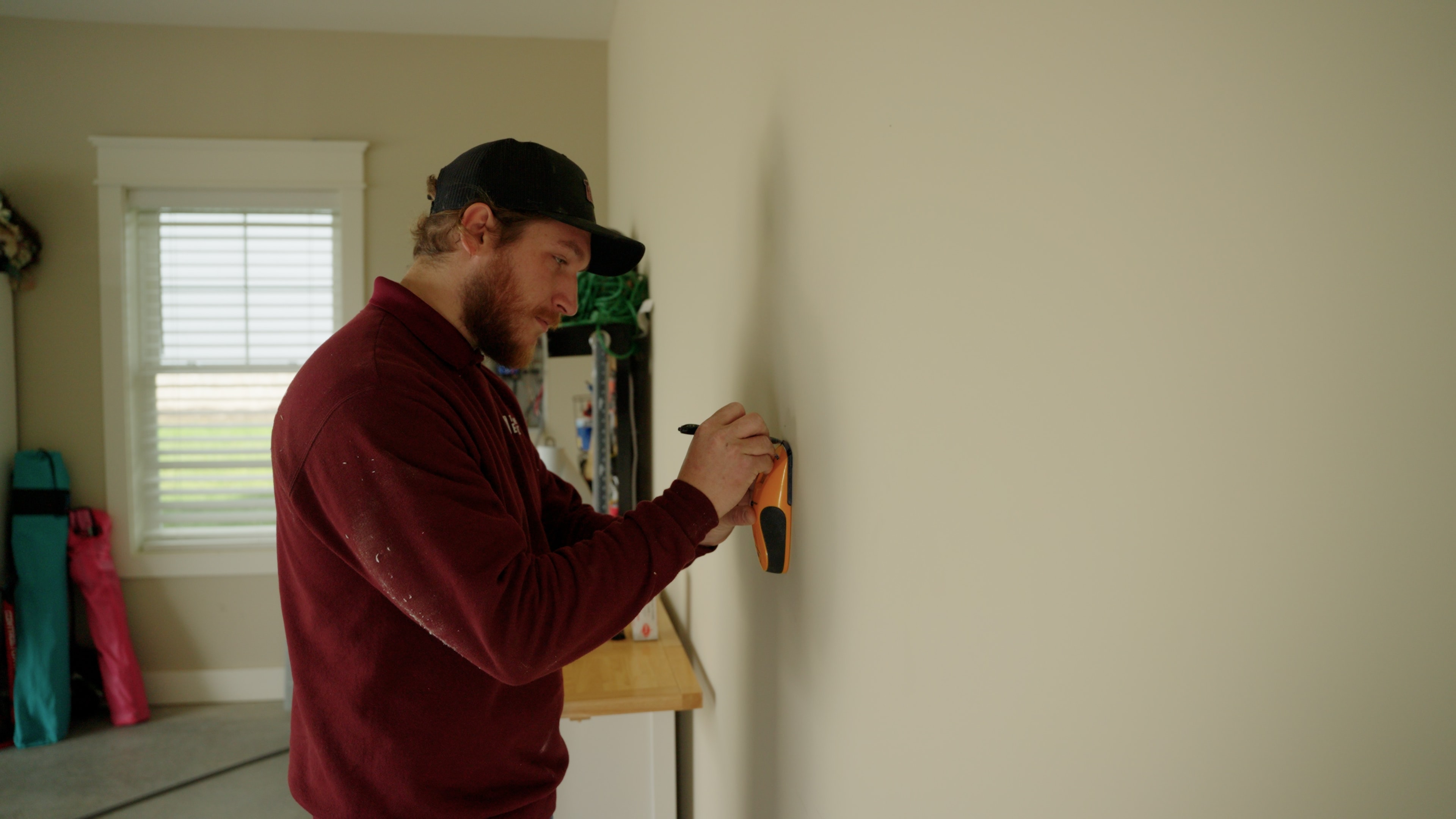
Why Level 2 charging needs real planning
A Level 2 charger can pull steady current for hours. That is what makes it useful, and it is also why the circuit must be planned carefully. NEC Article 625 covers EV charging equipment because charger settings, wire size, breaker rating, and panel capacity all have to work together. The practical goal is simple: charge the vehicle without overheating wiring or aging the panel early.
Charger Selection
We match the charger to the vehicle, driving habits, parking location, and whether the homeowner already owns equipment.
Dedicated Circuit
A 240V charger needs a circuit planned for steady current, not a shortcut borrowed from an existing outlet or appliance line.
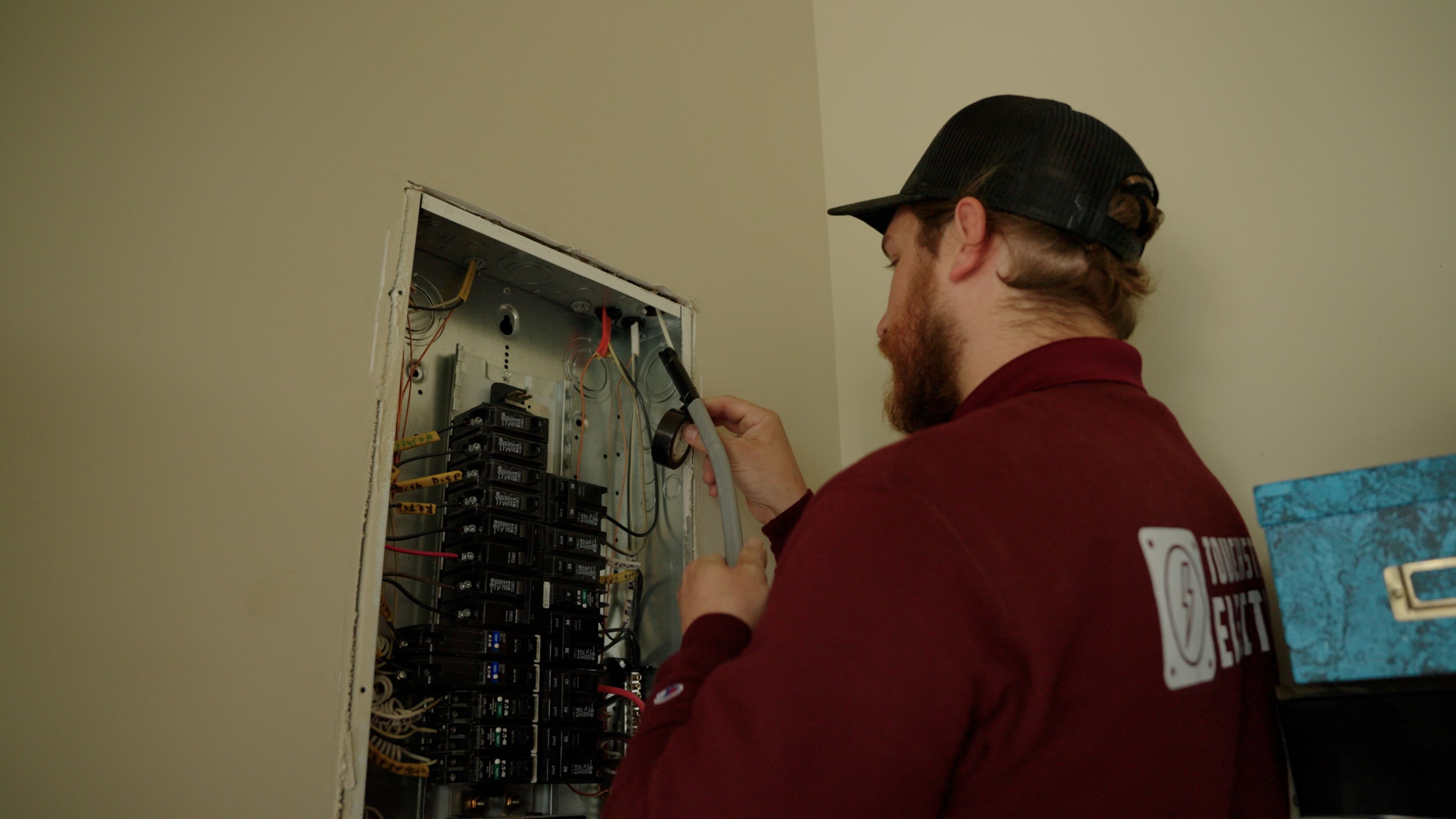
Panel Review
Older or full panels may need electrical panel upgrade planning before adding home charging demand.
Cost Factors
Cost depends on charger type, wire path, panel condition, mounting location, permit needs, and whether trenching or upgrades are required.
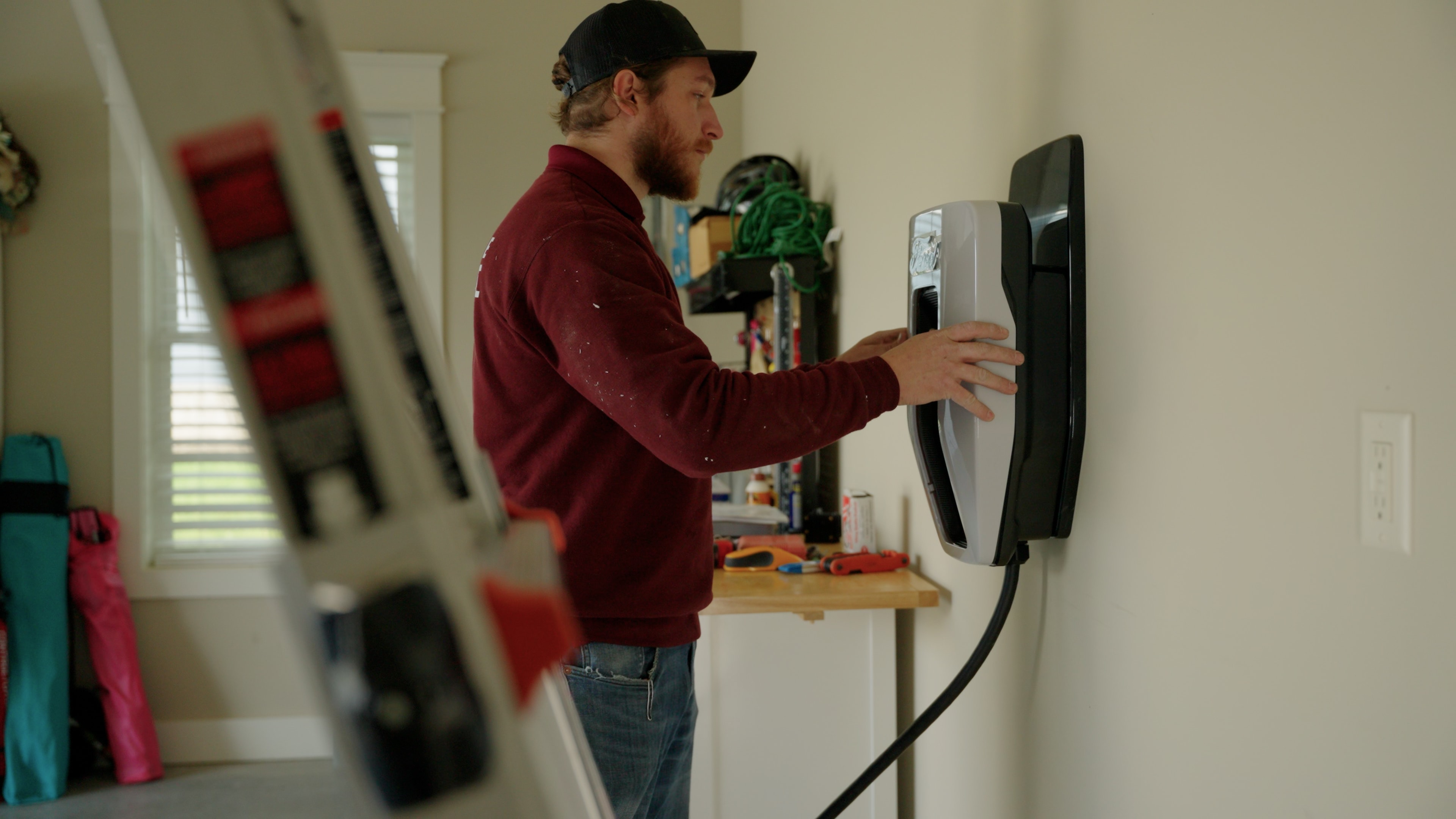
- 1Start with a site assessment of the panel, parking location, and likely wire route.
- 2Choose or verify the charger based on the vehicle, charging speed, and manufacturer instructions.
- 3Confirm panel capacity and decide whether the project needs a new circuit only or panel work first.
- 4Install the dedicated 240V circuit, mount or connect the charger, and coordinate permit or inspection steps when required.
- 5Test the charger and walk through safe everyday use before calling the project finished.
Home charging is mainly about convenience, but the electrical part should be treated seriously. The charger can run while your family is asleep, so the wiring, breaker, terminations, and panel capacity need to be right before the first overnight charge.
We do not need to guess at the budget from a distance. A useful estimate looks at the panel, charger, wire route, wall or post location, permit path, and whether any related electrical services are needed. Qualifying installation workmanship is backed by Touchstone Electric's Lifetime Craftsmanship Warranty.
Planning an EV charger in Matthews?
Call the Matthews area team at (980) 981-1864. We can review the panel, charger, wire route, and mounting location before recommending the safest installation path.