




 Call Us Now


One-room flicker can come from a loose lamp, worn socket, bad dimmer, loose connection, or fixture problem. If it happens across several rooms, the issue may be in the circuit or panel.

Touchstone Electric Blogs
Concord Indoor Lighting Repairs
Learn what flickering lights, hot switches, noisy fixtures, and repeated bulb failures can mean in Concord, NC homes.
Expert Insight
From licensed electricians
Code Compliant
Built to safety standards
Licensed & Insured
NC & SC certified
5-Star Reviews
Trusted by homeowners
Common Repair Signs
Flicker, Heat, And Buzzing Tell A Story
Indoor lighting problems in Concord homes can start small: a flicker, a buzzing dimmer, a switch that feels warm, or a fixture that keeps burning through lamps. Those signs can point to loose connections, incompatible bulbs, worn sockets, overloaded circuits, or wiring that needs attention. Touchstone Electric starts with diagnosis so you do not keep replacing parts while the cause stays hidden. For repair help, see our electrical repair services.
- Flickering or dimming lights traced to wiring, dimmers, load, or fixture issues
- Burned-out fixtures checked for heat, socket damage, and bad connections
- Hot switches, failed dimmers, and smart controls tested before replacement
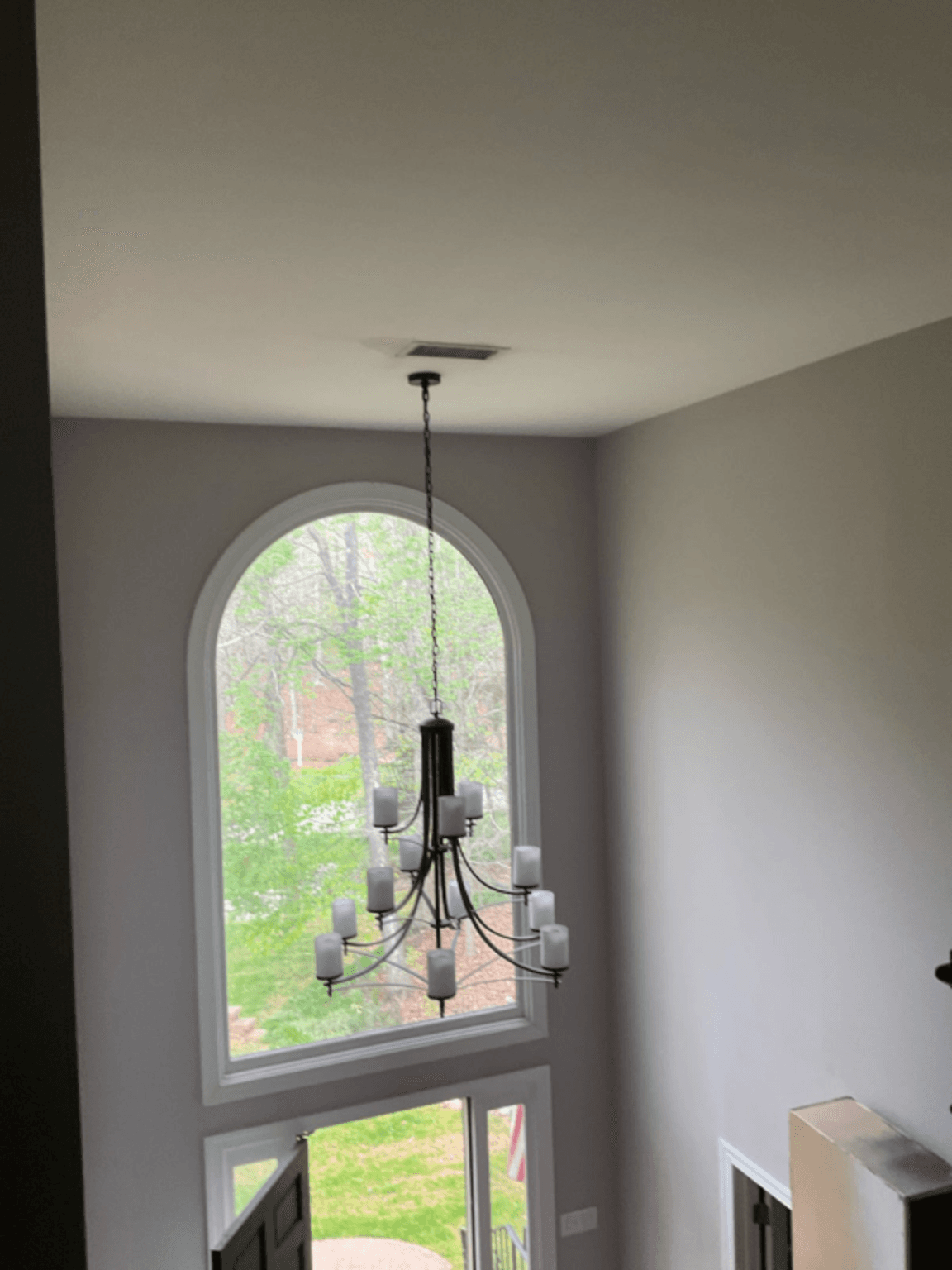
- Loose ceiling fixtures secured and wiring checked before they become unsafe
Lighting should make the room safer and easier to use. If the fixture is warning you with heat, noise, flicker, or repeated failures, it deserves a real check.
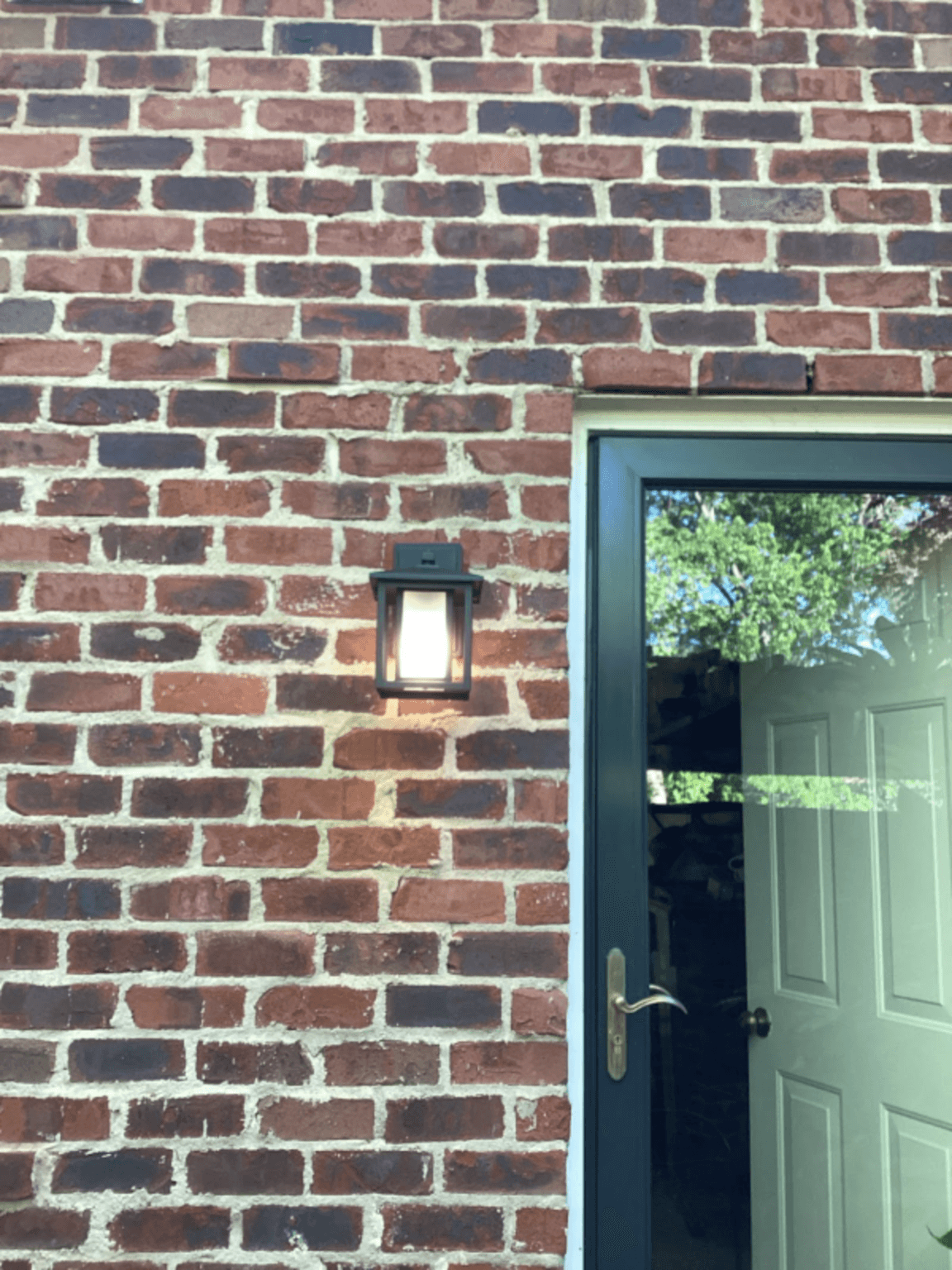
A hot switch is not normal
A switch or dimmer can feel slightly warm when it is controlling a large compatible load, but hot, buzzing, sparking, or discolored devices should be shut off and checked. Heat at a device often means a load or connection problem.
Fixtures checked for heat, support, and socket damage
Switches and dimmers matched to the connected load
Loose wiring and arcing symptoms traced before replacement
What We Trace
Lighting Repairs Start Behind The Fixture
A lighting problem may be in the lamp, fixture, switch, dimmer, splice, neutral, or panel. That is why good troubleshooting follows the symptom instead of guessing from the room side.
NEC 110.14 matters because lighting failures often begin at terminations, which are the wire connection points inside boxes, fixtures, switches, and panels. A loose termination can create flicker, heat, and early device failure.
For ceiling lights and fans, NEC 314.27 is the support topic to know. A box that can hold a small light may not be suitable for a heavier fixture or fan, especially when vibration is involved.
- Call when lights flicker across more than one room, because the issue may be upstream of the fixture.
- Replace hot, buzzing, cracked, or unreliable switches instead of forcing them to keep working.
- Check dimmer compatibility before blaming every flicker on the LED lamp.
- Secure loose ceiling fixtures and confirm the box is rated for the fixture or fan being installed.
- Document completed lighting work with your Lifetime Craftsmanship Warranty details.
Indoor lighting repairs are often about comfort, but they should still start with safety. A fixture that burns through bulbs, a dimmer that buzzes, or a switch that works only sometimes is asking for a closer look at the wiring and device rating.
Concord homeowners can review local service details on our Concord electrician page. If the repair becomes a larger update, our electrical services page can help you compare lighting, switch, outlet, and panel work for the rest of the home.
Lighting acting strange in your Concord home?
Tell us what changed, where it happens, and whether you notice heat, buzzing, flicker, or breaker trips. We will trace the cause before replacing parts.